General Item for Individuals
Price range: $25.99 through $52.99
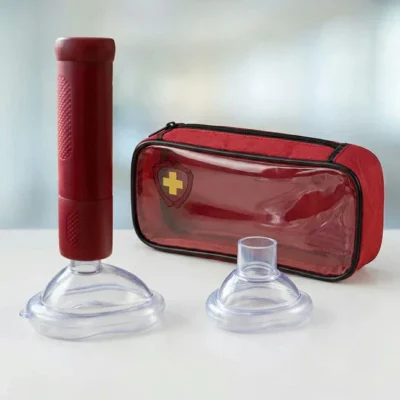
NESLEMY™ Emergency Anti-Choking Rescue Device
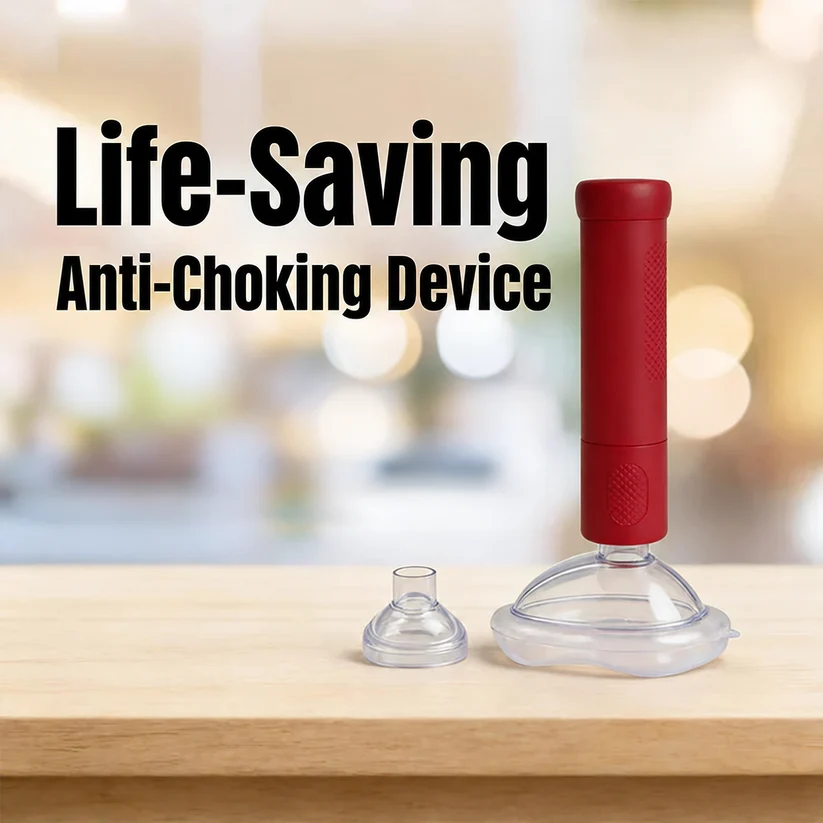
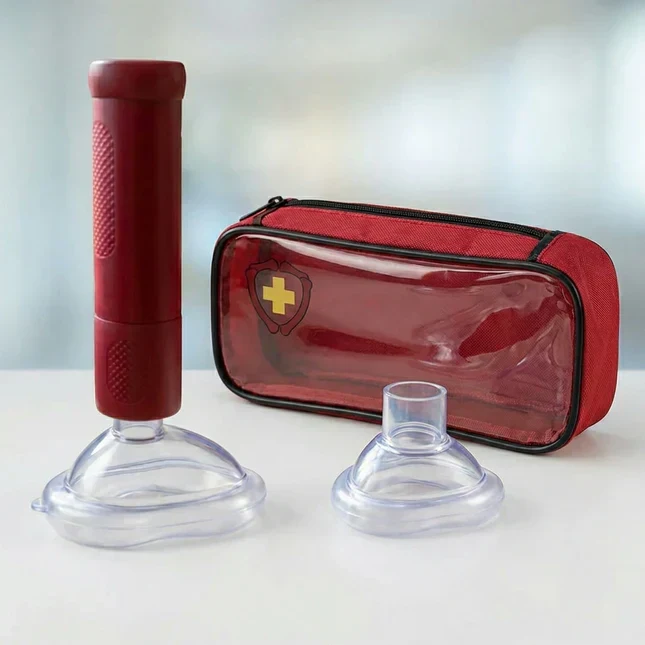
NESLEMY™ Emergency Anti-Choking Rescue Device is a manual suction device with a mask. Intended as an added option after standard rescue protocols fail.
Choose with your own priorities in mind, and make today’s purchase a considered decision that reflects what matters personally to you. NESLEMY™ Emergency Anti-Choking Rescue Device is a compact suction device intended for choking emergencies, with a mask and a manually operated press-and-pull design.
A portable option for emergency preparedness
The device is intended to help remove an airway obstruction through suction. Its mask is designed to form a seal around the mouth, while the handheld design provides a compact format for keeping with emergency equipment.
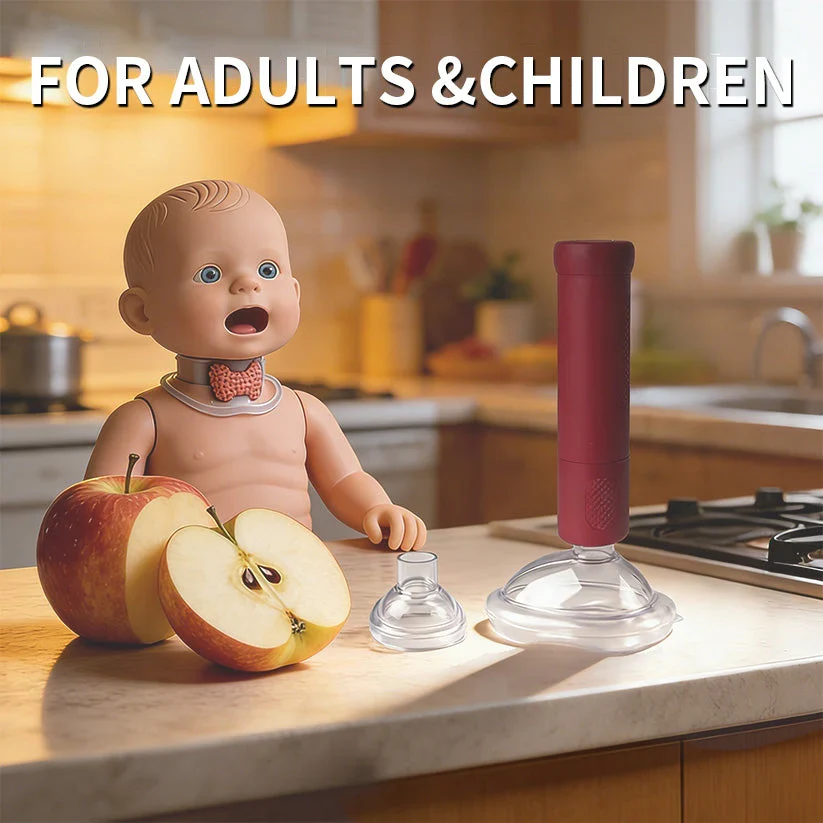
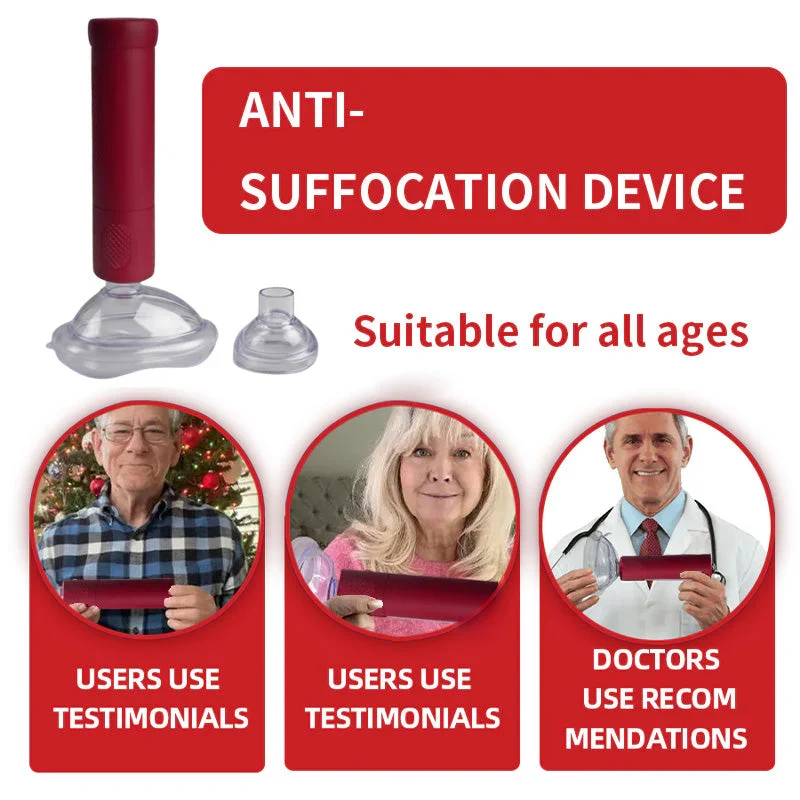
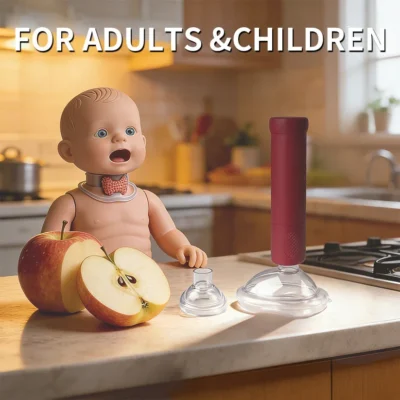
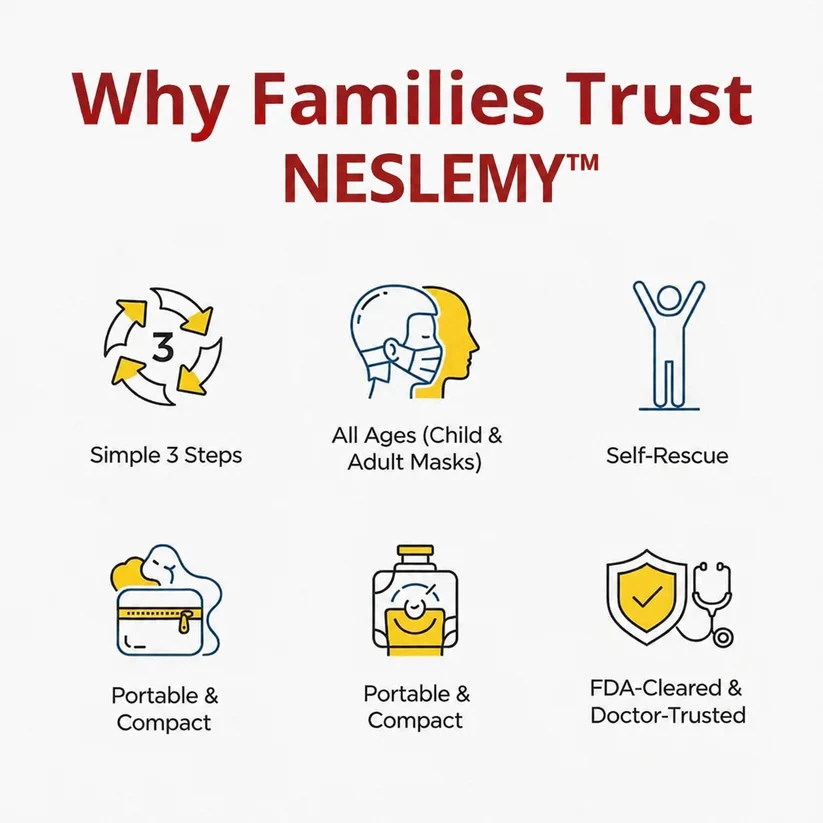
NESLEMY™ Emergency Anti-Choking Rescue Device is offered in an Adult Trial Pack and an Ergonomic option for adults and children. Choose the configuration intended for the people who may need it; an adult pack should not be treated as equivalent to a family configuration.
Understand its place in a choking response
Follow established choking rescue protocols first. These include age-appropriate back blows and/or abdominal thrusts. Consider an anti-choking device only if standard protocols fail; retrieving or assembling equipment must not delay the initial response.
Before an emergency, familiarize yourself with the device and its instructional materials. Understanding mask selection and operation in advance is part of preparation, rather than something to work out during a choking incident.
Frequently asked questions
Which option includes adult and child masks?
The Ergonomic option for adults and children includes two mask sizes. The Adult Trial Pack is the adult-specific selection, so check your chosen configuration before ordering.
Is a child mask suitable for every age?
A child-sized mask does not establish suitability for every child or infant. Confirm the device’s age limits and fit requirements before considering it for a particular child.
Does it replace choking first-aid training?
No. NESLEMY™ Emergency Anti-Choking Rescue Device is intended as an additional option after established protocols fail. First-aid training remains necessary to recognize choking and respond appropriately.
How often should it be checked?
Inspect the device every six months. Follow its care guidance for checking condition and function, rather than assuming that long-term storage means it remains ready to use.
Where can it be kept?
Its small, lightweight format allows storage at home, in a car or at work. Choose an accessible location that caregivers know, alongside your emergency equipment.
| Bundle & Save | Buy 1 Trial Pack, Buy 1 – Ergonomic, Buy 2 Get 1 Free – Most Popular |
|---|